Islamabad(Sapeher Times) : Allama Iqbal is the most influential person in the history of Pakistan and Indian subcontinent.

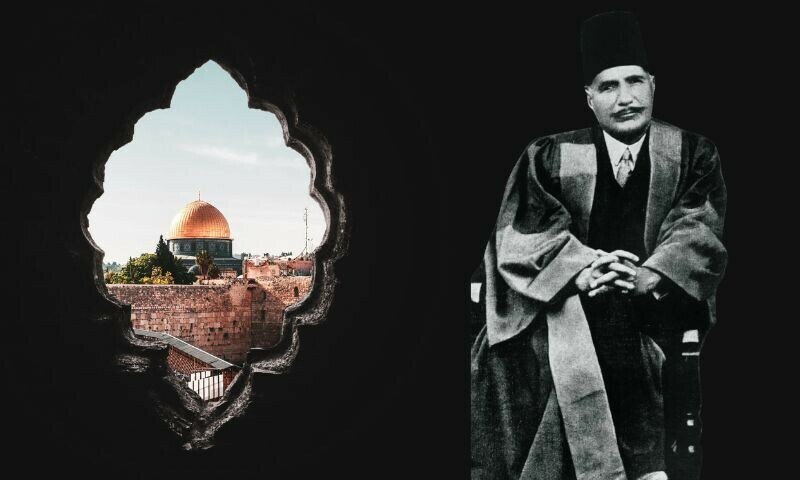
Allama Iqbal, a famous philosopher, poet, and politician, is widely celebrated as one of the most influential thinkers in the history of the Indian subcontinent. Allama Iqbal, born on November 9, 1877 in Sialkot, brought up in a loving and supportive family, Iqbal’s parents recognized his extraordinary talents early. His father, Sheikh Noor Muhammad, a pious man with a deep passion for knowledge, was instrumental in shaping young Iqbal’s educational journey. From an early age, Iqbal displayed an extraordinary thirst for knowledge and a natural ability to learn. His inquisitive mind sought answers to life’s deepest questions, laying the foundation for his later intellectual pursuits. Encouraged by his father’s belief in the transformative power of education, Iqbal’s curiosity was nurtured by a combination of traditional and modern educational methods. After studying at a local madrassa in Sialkot, Iqbal gained a solid grounding in Islamic studies, gaining a deep understanding of the Qur’an and Islamic principles. His early exposure to the rich traditions of Islamic scholarship instilled in him a deep respect for the spiritual and intellectual heritage of Muslims. Recognizing their son’s exceptional talent, Iqbal’s parents ensured that he received a good education. He attended the Scotch Mission College in Sialkot, where he excelled academically, particularly in the subjects of literature, philosophy and languages. His extraordinary command over several languages including Persian, Urdu, Arabic and English later became a hallmark of his literary prowess. Driven by an insatiable thirst for knowledge, Allama Iqbal embarked on a journey of higher education that took him to prestigious institutions in India and abroad. His intellectual growth and relentless pursuit of academic excellence paved the way for his outstanding achievements in the fields of philosophy and literature. After completing his primary education, Iqbal’s educational journey took him to Government College, Lahore, one of the most prestigious educational institutions in British India. It was here that he honed his intellectual skills by delving deeply into subjects like literature, philosophy and history. His time at Government College not only broadened his intellectual horizons but also exposed him to various intellectual influences. To further expand his intellectual horizons, Iqbal set his sights on the prestigious University of Cambridge in England. In 1905, he embarked on a transformative academic journey, immersing himself in the dynamic intellectual environment of one of the world’s leading universities. At Cambridge, Iqbal became interested in the study of philosophy and immersed himself in the works of Western thinkers. His exposure to diverse philosophical perspectives enriched his understanding of human existence, spirituality and social dynamics. Iqbal moved to Ludwig Maximilian University in Munich, Germany, where he studied for a doctorate in philosophy. Under the guidance of eminent scholars, he pursued deep philosophical inquiries, conducted extensive research and contributed to the scholarly discourse of the time. Iqbal’s intellectual brilliance led him to successfully defend his doctoral thesis, earning him a PhD in philosophy. His time in Cambridge and Munich not only shaped Iqbal’s academic prowess but also exposed him to the socio-political landscape of Europe. These experiences were instrumental in broadening his perspective and informing his views on the challenges facing Muslims and the need for intellectual and cultural revival. Allama Iqbal’s poetic journey dates back to his early days when he showed a natural inclination towards the world of literature and poetry. However, it was during his transformative stay in Europe that his poetic voice truly emerged, combining the rich traditions of Persian poetry with the lyrical essence of Urdu. Immersed in the dynamic intellectual and cultural environment of Europe, Iqbal’s exposure to diverse literary traditions and philosophical ideas sparked a creative awakening within him. Influenced by the works of famous Persian poets like Rumi, Hafiz and Saadi, Iqbal reached the depths of Persian poetic expression. As a result of this synthesis of influences, Iqbal’s poetic voice emerged as a harmonious blend of Persian and Urdu. Iqbal’s poetry explores the complexities of human existence, highlighting themes of love, spirituality, self-realization, and the socio-political struggles faced by the Muslim community. With its eloquence, profound insight and expert use of metaphorical language, Iqbal’s poetry captured the imagination of readers and listeners alike. His poetry not only inspired the intellect but also evoked deep emotions, encouraging people to reflect on their lives and the world around them. Iqbal’s poetry became a medium through which he could convey his philosophical ideas and aspirations for social change. Moreover, Iqbal’s poetic expressions became a vehicle for cultural revival and identity formation. He used his poetry to instill a sense of pride in the rich heritage of the Muslim community, celebrate their achievements and urge them to reclaim their rightful place on the world stage.The emergence of Iqbal’s distinctive poetic voice, combining the beauty of Persian poetry with the lyrical quality of Urdu, marks an important milestone in the world of literature. His profound influence on poetry and his ability to capture the essence of human emotions and experiences established him as one of the most revered poets of his time. Allama Iqbal left a profound literary legacy through his thought-provoking books. Some of his notable books include Bang Dara, which established his reputation as a poet and explored themes of self-discovery and spiritual awakening. “Zarb-e-Kaleem examined the challenges faced by the Muslim community and emphasized the importance of unity and self-empowerment. “Asrar Khudi” (Secrets of the Self) explored the depths of human existence, encouraging people to realize their true potential. Iqbal’s literary works continue to inspire and resonate with readers, offering profound insights into the complexities of life, spirituality, and the pursuit of a just and harmonious society.
Passionate about justice and the empowerment of Muslims, Allama Iqbal emerged as a prominent political figure, active in various movements and organizations aimed at protecting the rights and interests of Muslims in the Indian subcontinent. His political activism, especially within the All India Muslim League, played a significant role in shaping the course of history and setting the stage for the demand for a separate homeland. Iqbal’s involvement in politics was rooted in his unwavering determination to address the socio-political challenges facing the Muslim community. Recognizing the need for unity and collective action, he joined the All India Muslim League, an influential political party that advocated the rights of Muslims under the umbrella of a united India. Iqbal’s intelligence, eloquence, and deep understanding of Islamic principles made him a respected voice within the League, earning him a prominent position among Muslim leaders and intellectuals. As a member of the Muslim League, Iqbal worked tirelessly to address the grievances and aspirations of the Muslim population. He articulated their concerns and advocated their rightful place in the socio-political framework of India. Iqbal’s political activism was aimed at achieving equal opportunities, preserving the cultural identity of Muslims and safeguarding their interests in the face of growing political and communal tensions. Iqbal’s vision for the Muslim community was beyond mere representation in the political arena. He advocated a wider recognition of the distinctive heritage and aspirations of Muslims, stressing the need for self-realization and intellectual revival. His influential speeches and writings inspired Muslims, urging them to take pride in their Islamic heritage and actively participate in shaping their own destiny. As time passed, Iqbal’s political views evolved, which Because of this, they started envisioning a separate Muslim state. He believed that a separate homeland would provide Muslims with the autonomy they needed to develop their cultural, social and economic potential. His intellectual and political influence laid the foundation for the demand for an independent Muslim nation, which eventually culminated in the creation of Pakistan in 1947. Iqbal’s political activism is proof of his unwavering commitment to the rights and development of Muslims. His visionary leadership along with his ability to articulate community concerns helped build support and collective consciousness among the Muslims of the subcontinent. In the political arena, Allama Iqbal’s services are celebrated as a significant role in shaping the destiny of a nation and achieving a separate homeland for Muslims.
Allama Iqbal’s philosophy of self is the cornerstone of his intellectual and spiritual legacy. Rooted in the belief that the development of individual character is indispensable for the development of society, Iqbal’s concept of the self emphasizes self-realization, the pursuit of perfection, and the cultivation of inner strength. According to Iqbal, every individual has an innate potential which when nurtured and realized can lead to personal growth and contribute to the empowerment of the nation. He urged people to embark on a journey of self-discovery, embracing their unique talents, and embracing a sense of purpose in life. Through self-reflection, introspection, and exploration of their passions and desires, individuals can unlock their true potential and make a positive impact on their communities and the world at large. The philosophy of selfhood encourages individuals to transcend limitations, both external and internal, and strive for self-improvement in all aspects of life. It emphasizes the importance of personal responsibility, integrity, and moral values, as these are seen as important foundations for individual and collective development. Iqbal believed that by developing a strong sense of self, individuals can become agents of change, contributing to the development and empowerment of society. Iqbal’s concept of self is beyond individual development. This has wider implications for the nation as a whole. He envisioned a nation composed of individuals who were confident, self-aware and committed to their collective good. While nurturing the self at the social level.Iqbal believed that a nation can rise above mediocrity, overcome challenges and create its own destiny.
Allama Iqbal’s deep commitment to Sufism is evident in all his writings, as he was inspired by its Sufi teachings and tried to revive its essence in a modern context. Sufism, with its emphasis on spiritual awakening, inner transformation, and the pursuit of divine love, serves as a source of wisdom and guidance for Iqbal’s philosophical and poetic investigations. Iqbal’s immersion in Sufi thought and practice enabled him to delve deeper into spirituality and consciousness. He sought to bridge the gap between the ancient teachings of Sufism and the challenges faced by modern society, aiming to articulate and reproduce its essence in a manner that suited the needs and aspirations of his time. . Drawing from the rich heritage of Sufi masters such as Rumi, Attar, and Ibn Arabi, Iqbal weaved his own mystical insights into his writings, imbuing his poetry and philosophical works with deep spiritual influences. Through metaphors, symbols, and allegorical expressions, he explored the realms of divine love, self-realization, and the union of the human soul with the divine. Iqbal’s commitment to Sufism went beyond mere ideological appreciation. He actively advocated for its practical application in everyday life. He believed that the basic teachings of Sufism, such as selflessness, compassion, and self-realization, were necessary for personal development and social harmony. By nurturing the spiritual dimension within individuals, Iqbal envisioned a transformation of human consciousness that would lead to a more just, compassionate and enlightened society. Iqbal recognized the universal appeal of Sufism. He emphasized the inclusiveness and tolerance of Sufi teachings promoting unity and harmony among different faiths and cultures. Through his engagement with Sufism, Iqbal aimed to restore its relevance and applicability to a rapidly changing world. He envisioned a modern Sufism that could bridge the spiritual vacuum of his time, providing a way for individuals to connect with their higher selves and experience the transcendent dimensions of existence. Iqbal’s deep commitment to Sufism not only enriched his own spiritual journey but also left a lasting impact on the world of literature, philosophy and Sufism. His poetic and philosophical insights continue to guide seekers of truth, reminding them of the transformative power of spiritual awareness and the timeless wisdom embedded within Sufi traditions. Iqbal’s poetry occupies a unique place in the realm of Urdu and Persian literature. His poetry, full of complex imagery, metaphors, and spiritual tone, explores a wide range of themes, including love, spirituality, self-realization, and the socio-political challenges facing the Muslim community. His profound poetic expressions not only inspired the intellect but also touched the hearts of the readers, evoked various emotions and left a lasting impression. Apart from his poetic contributions, Iqbal’s essays and philosophical treatises reveal his brilliant intellect and insightful perspective on various topics. “Mystery of the Self” penetrated the depths of human existence, encouraging people to realize their true potential and embrace self-actualization. “Bang Dara” covers various themes, including patriotism, social reform, and the search for truth. “Zarb Kaleem” examined the challenges faced by the Muslim community and emphasized the importance of unity and self-empowerment. Iqbal’s literary genius won him widespread recognition and acclaim during his lifetime. His profound influence on literature and philosophy recognized him as one of the greatest literary figures of his time. His works were not only celebrated in the Urdu and Persian speaking communities, but also crossed cultural and linguistic barriers and received international acclaim. is being celebrated and studied. His deep insight, eloquence and insightful thoughts have left an indelible mark on the literary scene. Allama Iqbal enriched the world of literature through his literary genius and inspired generations with his thought-provoking works, establishing himself as a symbol of intellectual and artistic excellence. The death of visionary poet, philosopher and leader Allama Iqbal ended an era and left a deep void in the intellectual and cultural landscape. Iqbal breathed his last on April 21, 1938 in Lahore, Pakistan. His death was mourned by people from all walks of life, who recognized the immense loss of a visionary mind and voice advocating for the rights and empowerment of Muslims. Iqbal’s death left a significant impact on the collective consciousness of the nation along with the literary and political fields. His departure marked the end of an era characterized by his intellectual brilliance, eloquence and unwavering commitment to the betterment of society. The news of his death sent shockwaves across the subcontinent, as his influence transcended borders and touched the hearts of countless people. While his physical presence is no longer among the living, Iqbal’s legacy continues to reverberate. His deep thoughts, philosophical insights live on through his poetry, influencing generations to come. His vision for a just and empowered Muslim community lives on.which fuels the aspirations of individuals and acts as a guiding light in their pursuit of excellence. Allama Iqbal’s death marked a turning point, resulting in a renewed appreciation of his services and determination to uphold his ideals. It served as a reminder of the importance of his teachings and the enduring relevance of his vision in shaping the nation’s destiny. Today, his mausoleum in Lahore’s Huzuri Bagh stands as a symbol of reverence and a place of pilgrimage for those inspired by his remarkable life and enduring legacy. Although Allama Iqbal has passed away, his ideals and services live on, inspiring generations with his profound wisdom and unwavering commitment to the betterment of humanity. His passing was not an end, but a transition, as his legacy shapes minds, ignites passions, and lights the way to a brighter and more harmonious future.