


ISLAMABAD (Sapeher Times) Transforming Islamabad into a Model Capital Under the Dynamic Leadership of Syed Mohsin Raza Naqvi, Federal Minister for Interior

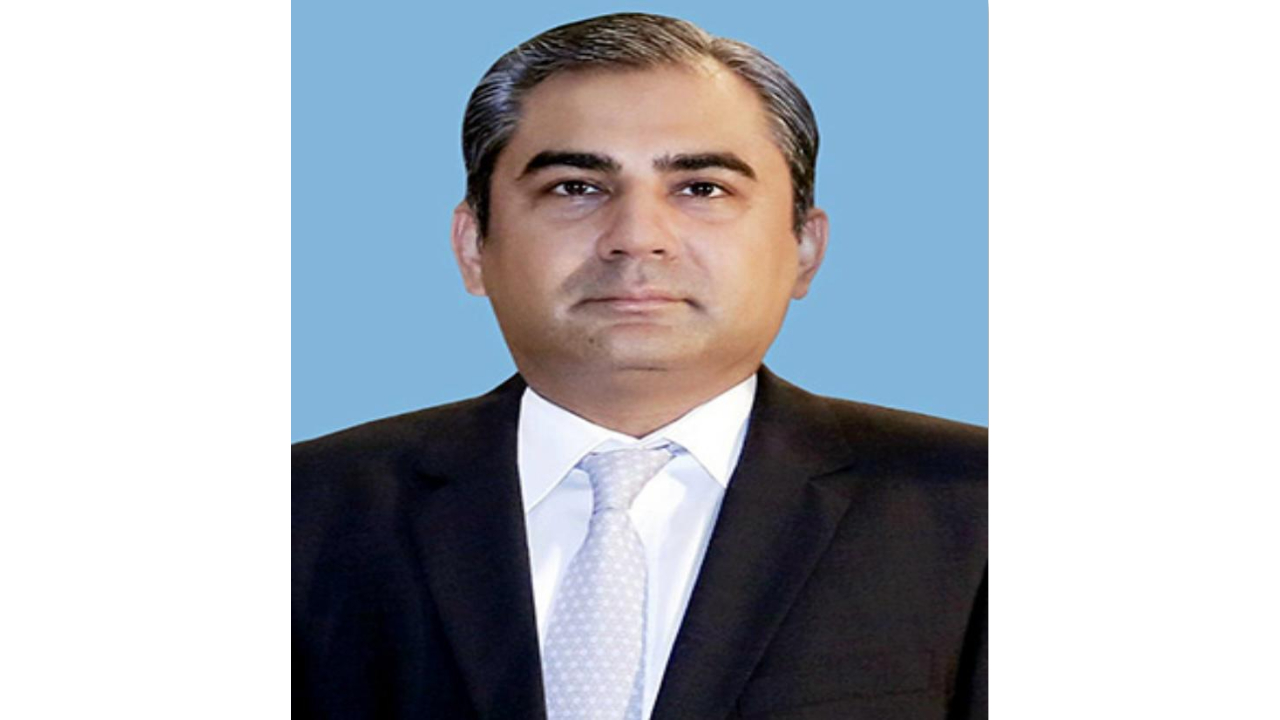
ISLAMABAD (Sapeher Times) Transforming Islamabad into a Model Capital Under the Dynamic Leadership of Syed Mohsin Raza Naqvi, Federal Minister for Interior
Effective urban development requires visionary leadership, efficient governance, transparent administration, and an unwavering commitment to public service. Transforming a capital city into a modern, sustainable, and citizen-centric metropolis is a complex undertaking that demands strategic planning, institutional efficiency, innovation, and continuous public engagement.
Islamabad, widely recognized as one of the most beautiful capitals in the world, has entered a new era of progress and transformation under the dynamic leadership of Syed Mohsin Raza Naqvi, Federal Minister for Interior, and the dedicated supervision of Sohail Ashraf, Chairman, Capital Development Authority (CDA). Their leadership has been characterized by rapid decision-making, administrative efficiency, proactive governance, and a steadfast commitment to improving the quality of life of citizens through practical, sustainable, and result-oriented initiatives.
Syed Mohsin Raza Naqvi has earned widespread recognition as a dynamic and results-driven leader whose governance style is defined by speed, efficiency, accountability, and decisive action. His exceptional ability to translate vision into reality within remarkably short timeframes has led many citizens and observers to describe his approach as “Mohsin Speed”—a term that has become synonymous with swift execution, proactive leadership, and an unwavering commitment to public welfare.
Whether in infrastructure development, urban management, sanitation, healthcare, environmental sustainability, digitization, or institutional reforms, he has consistently demonstrated an extraordinary ability to remove bureaucratic bottlenecks, accelerate project implementation, and ensure timely completion of public initiatives. His hands-on leadership style, frequent field visits, rigorous monitoring mechanisms, and emphasis on accountability have significantly enhanced institutional performance and service delivery.
Under the visionary leadership of Syed Mohsin Raza Naqvi, CDA has undertaken a comprehensive development agenda encompassing infrastructure modernization, urban planning, beautification, environmental sustainability, anti-encroachment operations, water resource management, healthcare improvement, solid waste management, digitization, and citizen facilitation. These initiatives have substantially strengthened Islamabad’s image as a modern, clean, green, and efficiently managed capital city.
Visionary Leadership and Administrative Transformation
The effectiveness of any public institution is ultimately determined by the quality of its leadership. Under the leadership of Syed Mohsin Raza Naqvi and the supervision of Sohail Ashraf, Chairman CDA, the Authority has adopted a proactive, transparent, and result-oriented approach to governance.
Regular project monitoring, field inspections, performance evaluations, and efficient decision-making processes have accelerated development activities across the federal capital. This administrative transformation has improved institutional efficiency, strengthened accountability mechanisms, and enhanced public confidence in the Authority’s ability to deliver quality services.
The leadership has emphasized transparency, innovation, professionalism, and citizen-centric governance, enabling CDA to execute development projects within stipulated timelines while maintaining high standards of quality, financial discipline, and public accountability.
Infrastructure Development and Urban Planning
One of the most remarkable achievements of CDA under the leadership of Syed Mohsin Raza Naqvi has been the successful execution of major infrastructure and urban development projects aimed at improving connectivity, reducing traffic congestion, facilitating economic activity, and enhancing urban mobility.
Major Infrastructure Projects Completed
Jinnah Square Interchange (Serena Chowk)
Among the most significant infrastructure achievements has been the construction of the Jinnah Square Interchange at Serena Chowk. This landmark project has substantially reduced traffic congestion at one of Islamabad’s busiest intersections, improved connectivity between key sectors of the capital, and significantly reduced travel time for commuters.
Jinnah Square–Murree Road Connectivity Project
Completed within a remarkably short timeframe, this project has strengthened connectivity between Islamabad and Rawalpindi, facilitating smoother traffic movement and reducing bottlenecks across the twin cities.
Tayyip Erdoğan Interchange (F-8 Chowk)
The Tayyip Erdoğan Interchange represents another major milestone in Islamabad’s transportation infrastructure. The project has improved vehicular movement along Jinnah Avenue and surrounding sectors, contributing to a more efficient and modern road network.
Islamabad Expressway Upgradation
Major widening and improvement works on the Islamabad Expressway, including the sections from PWD Underpass to GT Road and from Korang Bridge to PWD Interchange, have enhanced road safety, improved traffic flow, and facilitated commercial and economic activity.
Rehabilitation and Widening of Park Road
The rehabilitation and expansion of Park Road from Tramri Chowk to Rawat have improved connectivity to rapidly developing residential areas while significantly reducing travel delays and enhancing commuter convenience.
Shaheen Chowk Underpass
The Shaheen Chowk Underpass has emerged as a major traffic management initiative, providing signal-free travel, reducing congestion, and improving connectivity for thousands of daily commuters, students, and residents.
T-Chowk Flyover, Rawat
The completion of the T-Chowk Flyover has facilitated uninterrupted traffic movement between Islamabad, Rawalpindi, and Punjab, significantly reducing congestion and improving regional connectivity.
Convention Centre Modernization
The comprehensive renovation and modernization of Islamabad’s Convention Centre have upgraded facilities for national and international conferences, diplomatic engagements, exhibitions, and official events, enhancing the capital’s capacity to host prestigious gatherings.
Parking Plazas and Commercial Infrastructure
CDA has developed and upgraded parking facilities in key commercial areas to address parking shortages, improve traffic management, and facilitate commercial activity.
Beautification and Green Islamabad Initiatives
Islamabad’s natural beauty remains one of its greatest strengths. Recognizing this, CDA has undertaken extensive beautification and landscaping initiatives aimed at preserving and enhancing the city’s aesthetic appeal.
A notable achievement has been the transformation of the CDA Nursery into the Gardenia Hub, creating a vibrant center for horticultural development and urban beautification.
Parks, green belts, medians, roadsides, and public spaces have been renovated and landscaped to high standards. Large-scale tree plantation campaigns have been launched to improve air quality, increase urban forest cover, and strengthen environmental resilience.
Seasonal flower plantations, decorative landscaping, modern LED illumination, and park rehabilitation projects have further enhanced Islamabad’s visual appeal, reinforcing its reputation as one of the most beautiful and environmentally friendly capitals in the world.
Environmental Sustainability and Climate Friendly Initiatives
Environmental sustainability has emerged as a cornerstone of urban development under the current leadership. CDA has adopted a range of environmentally responsible initiatives aimed at reducing pollution, promoting climate resilience, and ensuring sustainable urban growth.
The introduction of electric buses for public transportation and electric motorcycles for official use represents a significant step toward reducing carbon emissions and dependence on fossil fuels.
The Authority has also focused on urban forestry, biodiversity conservation, green infrastructure, energy-efficient public facilities, and enhanced environmental monitoring systems. These initiatives align Islamabad with international sustainability standards and contribute to creating a healthier environment for future generations.
Anti-Encroachment Operations and Recovery of Public Assets
One of CDA’s most significant accomplishments has been its comprehensive anti-encroachment campaign across Islamabad.
Under a strict zero-tolerance policy against illegal occupations, unauthorized constructions, and encroachments on public land, CDA has successfully recovered valuable state land and public properties worth billions of rupees.
These operations have strengthened urban planning, protected green areas, restored public assets, reinforced the rule of law, and enhanced public confidence in the government’s commitment to safeguarding national resources.
Solid Waste Management and Cleanliness Initiatives
A clean city is a hallmark of effective governance. CDA has made significant progress in improving waste collection systems, sanitation services, and environmental cleanliness throughout the capital.
Particularly noteworthy was the successful execution of the “Zero Waste Operation” during Eid-ul-Azha, where thousands of sanitation workers and operational staff efficiently collected and disposed of waste within record time.
The Authority continues to modernize waste management systems through improved planning, efficient resource utilization, and adoption of environmentally sustainable disposal practices.
Water Resource Management and Establishment of Capital WASA
Recognizing Islamabad’s growing water requirements, CDA has undertaken one of its most important institutional reforms through the establishment of the Capital Water and Sanitation Agency (Capital WASA).
This initiative is designed to improve water distribution systems, reduce transmission losses, strengthen service delivery, and ensure long-term water security for the federal capital.
Future plans include the development of new reservoirs, expansion of water supply networks, groundwater recharge projects, and integrated water management strategies to meet the needs of a growing population.
Modernization of Healthcare Services
Healthcare improvement remains a key component of CDA’s public welfare agenda.
The modernization of CDA Hospital aims to transform it into a state-of-the-art healthcare institution equipped with advanced diagnostic technologies, specialized treatment facilities, modern emergency services, and improved patient management systems.
Upon completion, the upgraded hospital will provide quality healthcare services to CDA employees, their families, and residents of Islamabad while reducing pressure on other public healthcare institutions.
Digital Transformation and Citizen Facilitation
One of the most impactful reforms undertaken by CDA has been the acceleration of digitization and e-governance initiatives.
The strengthening of the One Window Facilitation Centre has significantly improved public service delivery by providing citizens with a single point of contact for a wide range of services.
The digitization of land records, online applications, electronic approvals, GIS-based property management systems, automated monitoring mechanisms, and integrated service platforms has enhanced transparency, reduced bureaucratic delays, minimized opportunities for corruption, and improved administrative efficiency.
These reforms represent a major step toward establishing a modern, technology-driven, and citizen-centric governance framework.
Strategic Future Projects and Vision for Islamabad
CDA’s short-, medium-, and long-term development strategy is focused on transforming Islamabad into a smart, sustainable, investment-friendly, and globally competitive capital city.
Future initiatives include:
* Expansion of smart city and e-governance systems.
* Advanced traffic management and intelligent signaling systems.
* Smart parking solutions.
* Expansion of electric public transportation networks.
* Development of new residential sectors and urban facilities.
* Integrated solid waste management and waste-to-energy projects.
* Climate resilience and environmental conservation programs.
* Enhancement of public spaces, parks, and recreational facilities.
* Long-term water security projects.
* Continued infrastructure modernization and urban renewal.
* Construction of an international-standard cricket stadium and modern hotel facilities to promote tourism, sports activities, business travel, and foreign investment.
* Development of a safe, secure, affordable, and tourist friendly environment capable of attracting local and international visitors as well as investors.
Contribution Towards a Model Capital City
The reforms and development initiatives undertaken under the leadership of Syed Mohsin Raza Naqvi have laid a strong foundation for Islamabad’s emergence as a model capital city.
Through strategic investments in infrastructure, environmental sustainability, healthcare, water management, digitization, public services, and urban beautification, CDA is creating a modern urban governance model that can serve as a benchmark for other cities across Pakistan.
These initiatives are not only improving present-day living standards but are also preparing Islamabad to effectively address future challenges associated with population growth, urban expansion, climate change, and sustainable development.
Conclusion
The Capital Development Authority (CDA), under the dynamic leadership of Syed Mohsin Raza Naqvi, Federal Minister for Interior, and the dedicated supervision of Sohail Ashraf, Chairman CDA, has demonstrated remarkable institutional transformation and developmental progress.
Through visionary planning, infrastructure modernization, environmental protection, anti-encroachment operations, recovery of public assets, water resource management reforms, healthcare improvements, digital transformation, urban beautification, and citizen-centric governance initiatives, CDA has significantly enhanced the quality of public services and urban management in the federal capital.
The achievements of this period reflect a strong commitment to transparency, efficiency, sustainability, innovation, and public welfare. More importantly, they represent a broader vision of transforming Islamabad into a model capital city that embodies modern urban planning, environmental responsibility, economic vitality, and inclusive development.
As Islamabad continues its journey toward becoming a world-class, smart, sustainable, and globally competitive capital, the leadership’s unwavering focus on excellence, innovation, and public service will remain instrumental in shaping a prosperous future for generations to come.
The transformation currently underway demonstrates how visionary leadership, effective governance, institutional commitment, and public-centered development can collectively elevate a capital city into a model of modern urban excellence, setting new benchmarks for governance, infrastructure development, and civic management throughout Pakistan.
Pakistan Zindabad 🇵🇰


