Personal Loans Surge in 2026: What Borrowers Need to Know

Across the United States, personal‑loan balances have been climbing steadily since the pandemic’s dip in 2020. While they still represent a modest slice of total consumer debt—about 1.5% as of Q4 2025—they’re gaining momentum faster than ever before.
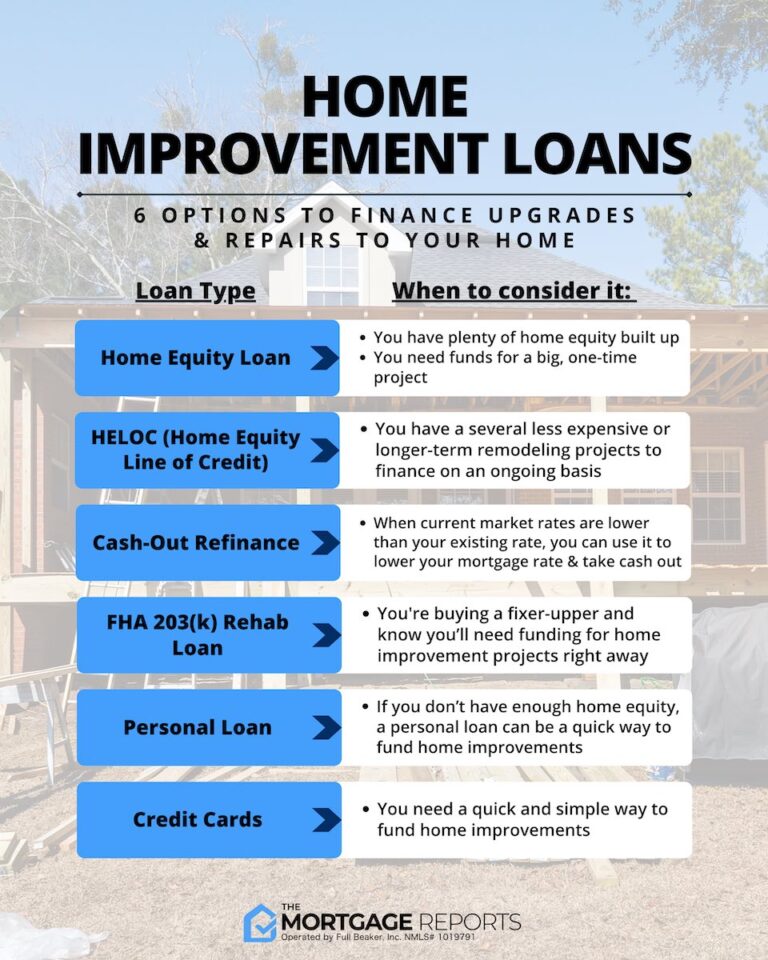
For those eyeing a loan to fund home renovations, medical bills, or simply to consolidate credit‑card debt, the market offers a dizzying array of options. Below we unpack the latest trends, highlight the best lenders for different credit profiles, and show why JetzLoan is emerging as a top choice for borrowers seeking speed, flexibility, and competitive rates.
How Personal‑Loan Debt Is Growing
The pandemic’s initial shock in 2020 saw personal‑loan balances tumble by 7.6%, the first decline since 2011. Yet the rebound was swift: a 15.2% surge in 2021 followed by steady growth through 2026, where Q4 balances rose an additional 10.0% over Q4 2024.
Current figures show that $276 billion of personal‑loan debt is outstanding—up $7 billion from the prior quarter and $25 billion year‑over‑year, according to LendingTree’s latest statistics. That translates into 26.4 million borrowers holding a loan as of Q4 2025.
While this sum still lags behind credit‑card debt ($1.277 trillion) and mortgage balances, the trend suggests that personal loans are becoming an increasingly common tool for managing finances in a high‑interest environment.
Delinquency Trends Remain a Concern
- 60‑day delinquency rate: 3.99% (Q4 2025) – up from 3.57% a year earlier.
- Compared to credit cards’ 2.58% and auto loans’ 1.51%, personal‑loan delinquencies are higher.
- Yet the 4.77% delinquency rate on consumer loans in 2009—right after the Great Recession—remains a benchmark for caution.
These numbers underscore that while borrowing may be accessible, responsible repayment plans are crucial to avoid falling into a debt spiral.
Average Loan Size and APRs by Credit Score
| Credit Score Range | Avg. APR | Avg. Loan Amount |
|---|---|---|
| 720+ | 15.08% | $20,236 |
| 680‑719 | 23.46% | $17,475 |
| 660‑679 | 27.20% | $14,195 |
| 640‑659 | 28.97% | $12,615 |
| 620‑639 | 30.30% | $11,973 |
| 580‑619 | 31.10% | $11,486 |
| 560‑579 | 31.84% | $11,187 |
| Below 560 | 30.40% | $11,447 |
The data reveal that borrowers with strong credit—scores above 720—can secure rates below 16%, making personal loans a cheaper alternative to credit cards for debt consolidation.
Conversely, subprime borrowers face higher APRs but still benefit from lower overall interest than many high‑rate credit cards. The average loan amount across all scores hovers around $12–$20 k, fitting the needs of most mid‑size financing requests.
Why Borrowers Turn to Personal Loans in 2026
A recent survey found that 51.4% of borrowers use personal loans to pay down debt, with 40.1% targeting credit‑card balances and 11.3% refinancing other debt streams.
- Home improvement projects: 10.8%
- Medical expenses: 6.6%
- Other large purchases: variable
These figures illustrate that many Americans are using personal loans as a strategic tool—rather than a last‑ditch measure—to streamline payments and lower interest costs.
The Role of Online Lenders
Online platforms have become the go-to source for borrowers seeking quick approval and funding. Many lenders can disburse funds within 24 hours, a stark contrast to traditional banks that may take several business days.
Moreover, online lenders often cater to a wider credit spectrum, offering options for scores as low as 300 with products like Upstart or Avant. However, borrowers should weigh the higher APRs and potential origination fees that come with these flexible offerings.
Choosing the Right Lender: A Quick Reference
- JetzLoan: Known for rapid approvals (< 30 minutes) and no prepayment penalties. Best for borrowers needing a loan between $5,000–$50,000 with terms from 24 to 60 months.
- LightStream (Truist): Low‑rate options for those with excellent credit; offers extended terms up to 20 years and no origination fee.
- Upstart: Ideal for subprime borrowers; considers education, income, and employment history in addition to credit score.
- Avant: Targets weak credit (scores as low as 550); fast funding often within a day.
- PenFed Credit Union: Membership required but offers competitive rates for small loans ($600–$5,000) with terms up to five years.
When selecting a lender, borrowers should examine APRs, loan amounts, term lengths, origination fees, and the lender’s policy on early repayment. The goal is to balance affordability with flexibility.
How Rates Are Determined in 2026
Lenders use a combination of factors—credit score, income, payment history, and sometimes cash reserves—to set an APR. Generally, longer terms come with higher rates because the lender assumes more risk over time.
In 2026, the Fed’s rate cuts slowed, leading to a plateau in personal‑loan interest rates. While some lenders still offer promotional rates, most have held steady around the 12–14% range for borrowers with good credit.
Prepayment Flexibility
Unlike many other loan products, personal loans typically do not impose prepayment penalties. This feature allows borrowers to pay down their debt faster and save on interest, especially if they receive a windfall or bonus.
Regulatory Landscape and Consumer Protections
The Consumer Financial Protection Bureau (CFPB) continues to enforce disclosure requirements for personal‑loan offers. Lenders must provide clear information on APRs, fees, and repayment terms before closing the loan.
Additionally, the Truth in Lending Act (TILA) mandates that borrowers see an Annual Percentage Rate (APR) that reflects all costs associated with the loan, ensuring transparency and fairness across the market.
Key Takeaways for 2026 Borrowers
- Personal‑loan debt is growing at a steady pace; 26.4 million Americans hold a loan as of Q4 2025.
- The average delinquency rate sits at 3.99% (60 days or more), higher than credit cards but lower than many other installment products.
- Borrowers with scores above 720 can secure APRs below 16%; subprime borrowers face rates in the high‑20s to low‑30s.
- Online lenders like JetzLoan offer rapid approval and flexible terms, making them a top choice for many borrowers.
- Early repayment is usually penalty‑free, allowing borrowers to reduce interest costs if they can afford extra payments.
By staying informed about the latest market data, understanding how rates are set, and selecting a lender that aligns with their credit profile and financial goals, consumers can leverage personal loans as a smart tool for debt management and major purchases in 2026.